EICR Certificate & Landlord Electrical Safety Checks
Electrical safety is a top priority for every property owner. Faulty wiring or outdated installations can pose serious risks, including fire hazards and electric shocks. Whether you are a landlord, homebuyer, or homeowner, understanding the condition of your electrical system is essential. That is where an Electrical Installation Condition Report (EICR) comes in, offering a thorough assessment of your property’s fixed wiring and electrical components.
What Is an Electrical Installation Condition Report (EICR)?
An EICR is a detailed inspection carried out by a qualified electrician to assess the safety and condition of the fixed electrical installations within a property. This includes consumer units, sockets, lighting circuits, bonding, and earthing systems. The report highlights any defects or potential hazards and categorises them using a clear coding system.
Landlords, homebuyers, and homeowners use EICRs to verify the safety of their electrical installations and to ensure compliance with current safety standards and regulations.
Common Electrical Issues Identified During EICR Inspections
During the inspection, the electrician will look for various faults and issues, including:
Damaged or deteriorated wiring that could cause electric shocks or fires
Faulty consumer units that may not provide adequate circuit protection
Incorrect or missing earthing and bonding that affects electrical safety
Overloaded circuits or inadequate socket arrangements
Signs of overheating or burning around fittings and cables
What to Expect During Your EICR Inspection
Initial Assessment: The electrician will review the property’s electrical installations and discuss any concerns you may have.
Detailed Inspection: All accessible wiring, consumer units, sockets, light fittings, and earthing/bonding arrangements are examined carefully.
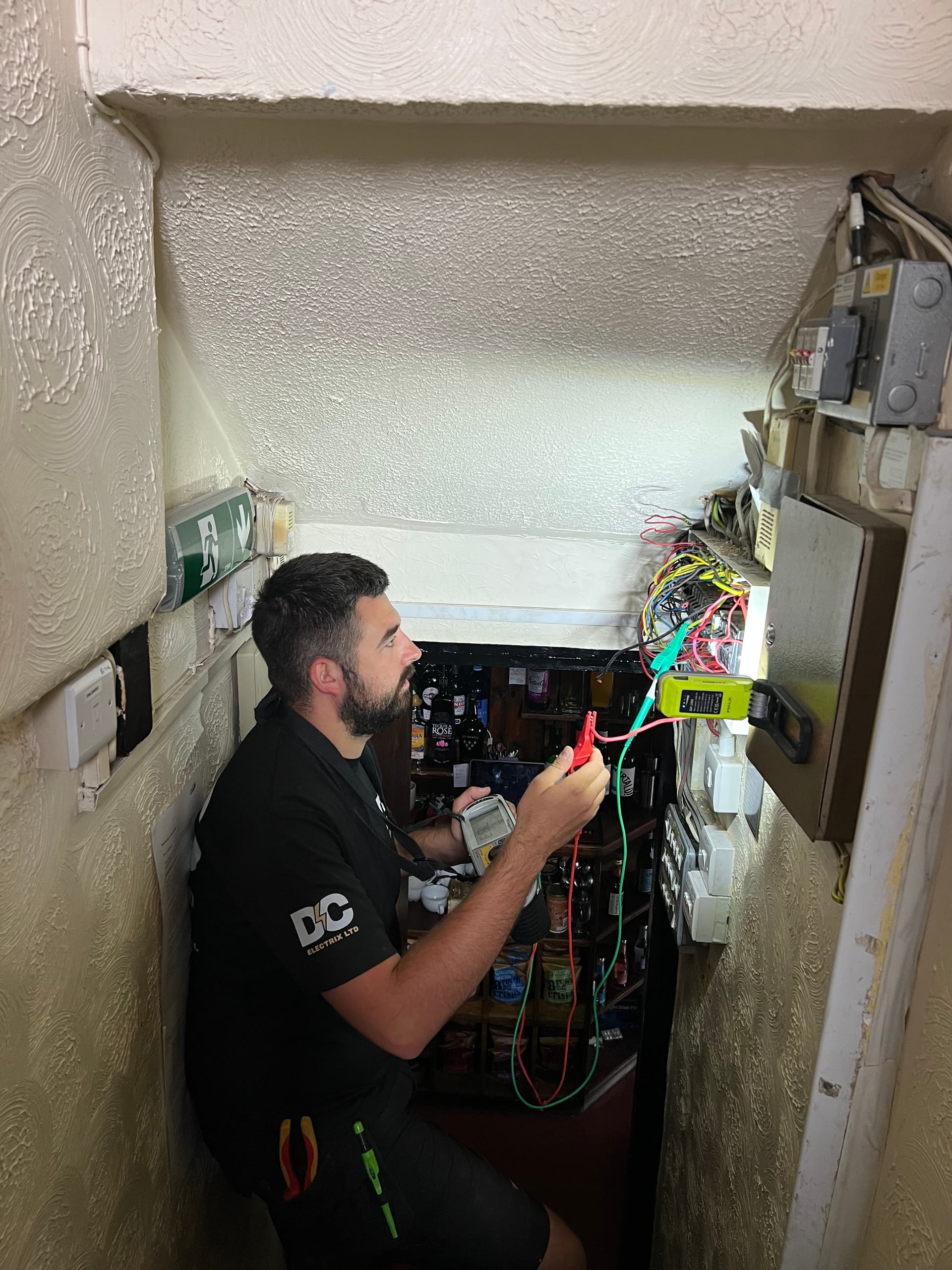
Testing: Electrical tests are performed using specialised equipment to check insulation resistance, earth continuity, and circuit integrity.
Reporting: The electrician produces an EICR detailing the condition of the installation, any faults found, and recommended actions.
Next Steps: If remedial work is needed, the report will explain the urgency and nature of repairs required.
Understanding EICR Codes and What They Mean
The EICR uses a simple coding system to classify faults found during the inspection. This helps you understand the severity and required action:
C1 (Danger Present): Immediate risk of injury – electrical supply should be disconnected until repairs are made.
C2 (Potentially Dangerous): Urgent remedial action needed to prevent danger.
C3 (Improvement Recommended): No immediate danger but improvements advised for safety.
FI (Further Investigation): Additional investigation required to determine the issue fully.
Following the report, any necessary remedial work should be prioritised in line with these codes to maintain safety and compliance.
Landlord Electrical Safety Checks and Legal Responsibilities
Landlords have a legal duty to maintain the electrical installations in their rental properties to protect tenants from electrical hazards. While specific inspection intervals can vary, electrical safety checks are often required at least every five years or when a new tenancy begins. An up-to-date EICR helps demonstrate compliance with safety regulations and supports your responsibilities as a landlord.
By commissioning regular EICRs, landlords can identify potential issues early, reduce risk, and provide tenants with a safe living environment. The report also forms part of the documentation landlords must keep and provide to tenants upon request.
To discuss landlord electrical safety checks or book your inspection, call D C Electrix Ltd on 07415049613 or request a free, no-obligation quote today.
Preparing for Your Electrical Installation Condition Report
To help the electrician carry out a thorough inspection, you should prepare the property by:
Providing clear access to the consumer unit and fuse board
Ensuring loft spaces and outbuildings with electrical wiring are accessible
Making sure sockets, light fittings, and switches are easily reachable
Informing the electrician of any previous electrical issues or work carried out
Good preparation helps the inspection proceed smoothly and reduces the likelihood of follow-up visits.
After the EICR – What Happens Next?
Once the inspection is complete, you will receive a detailed report highlighting any faults and their priority. If remedial work is required, D C Electrix Ltd can provide a clear quotation and schedule the necessary repairs promptly. After completing any remedial work, a re-test may be performed to confirm that all issues have been resolved.
Certified copies of all documentation will be provided for your records, helping you meet legal obligations and maintain property safety over time.
Certifications and Trust You Can Rely On
D C Electrix Ltd is a registered NAPIT member, fully insured, and committed to complying with Building Regulations and safety standards. Every EICR comes with a professional certificate recognised by insurers and local authorities. Our electricians undergo continuous training to keep up with the latest regulations and best practices.
When you choose D C Electrix Ltd, you benefit from reliable, trustworthy service and peace of mind that your electrical installations meet required safety standards.
Frequently Asked Questions
What is the difference between an EICR and a PAT test?
An EICR inspects the fixed electrical installations within a property, such as wiring and consumer units. A Portable Appliance Test (PAT) checks individual electrical appliances to ensure they are safe to use. Both are important but serve different purposes.
How often should landlords arrange an EICR?
While regulations do not specify an exact interval, landlords commonly arrange electrical safety inspections every five years or at the start of a new tenancy to maintain compliance and tenant safety.
Can I carry out remedial work myself if faults are found?
Electrical remedial work should always be carried out by a qualified electrician to comply with safety standards and legal requirements. Attempting repairs without proper expertise can be dangerous and invalidate insurance.
Will the inspection cause any disruption to my household?
The inspection is non-invasive and typically completed within a few hours. Some power interruptions may be necessary during testing, but these will be kept to a minimum and communicated in advance.
What happens if my property fails the EICR?
If faults are identified, the report will detail the severity and recommend remedial action. D C Electrix Ltd can provide a quote for necessary repairs and return for retesting once work is complete to ensure safety compliance.
Book your EICR appointment now with D C Electrix Ltd by calling 07415049613 or visiting our contact page to request a quote. Our clear, comprehensive reporting and professional service will give you confidence in your property’s electrical safety.