Landlord EICR Checklist: How to Prepare for Your Inspection
A practical landlord checklist to keep your EICR visit quick, compliant and stress free.
By DC Electrix Ltd

An Electrical Installation Condition Report (EICR) is now a routine part of managing a rental property. A little preparation before your electrician arrives can save time, reduce disruption for tenants and avoid repeat visits.
Quick reminder of landlord EICR legal expectations
Most rented properties must have the electrical installation inspected and tested at least every five years, or sooner if the previous report recommends it. A new EICR is also often required before a new tenancy begins.
As the landlord, you must provide a copy of the latest report to your existing tenants and to new tenants at the start of their tenancy. Keeping everything organised from the outset makes this much easier.
Landlord EICR checklist: what to prepare in advance
Having a few key items ready can make a big difference to how smoothly your EICR visit goes. Use this simple checklist before the electrician arrives.
Previous EICR and any remedial certificates or invoices
Confirmed access and permission from your tenants
Locations of the consumer unit, main switch and meters
List of outbuildings, garages and external supplies
Notes on known issues, tripping circuits or hot sockets
Details of any recent DIY or contractor electrical work
1. Collect previous reports and remedial paperwork
If you have had an EICR before, keep the last report ready for the electrician. Also gather any certificates from remedial works that followed, such as replacing a consumer unit or adding new circuits.
This information helps the electrician understand the history of the installation, compare results, and focus on any areas that have been problematic in the past.
2. Confirm tenant access and permissions
Most failed EICR appointments come down to access issues. Make sure your tenants know the exact date, time window and expected duration of the visit. Confirm how the electrician will gain access, especially if you will not be present.
Let tenants know that power may need to be turned off for short periods. Encourage them to plan around this so fridges, freezers and work-from-home equipment are not a surprise concern on the day.
3. Show locations of consumer unit, meters and key areas
The electrician will need clear access to the consumer unit (fuse board), main switch, electric meter and any sub-boards. If these are in cupboards, behind stored items or in outbuildings, arrange for them to be easy to reach.
Make a simple list or sketch showing:
Where the main consumer unit is located
Where the electric meter and main isolator are
Any secondary boards in lofts, extensions or garages
Sharing this in advance, or leaving a note in the property, can save a lot of time during the inspection.
4. List outbuildings, garages and external supplies
If your property has a garage, shed, summer house or garden office with electrics, note these for the electrician. They form part of the fixed installation and may have their own circuits or small consumer units.
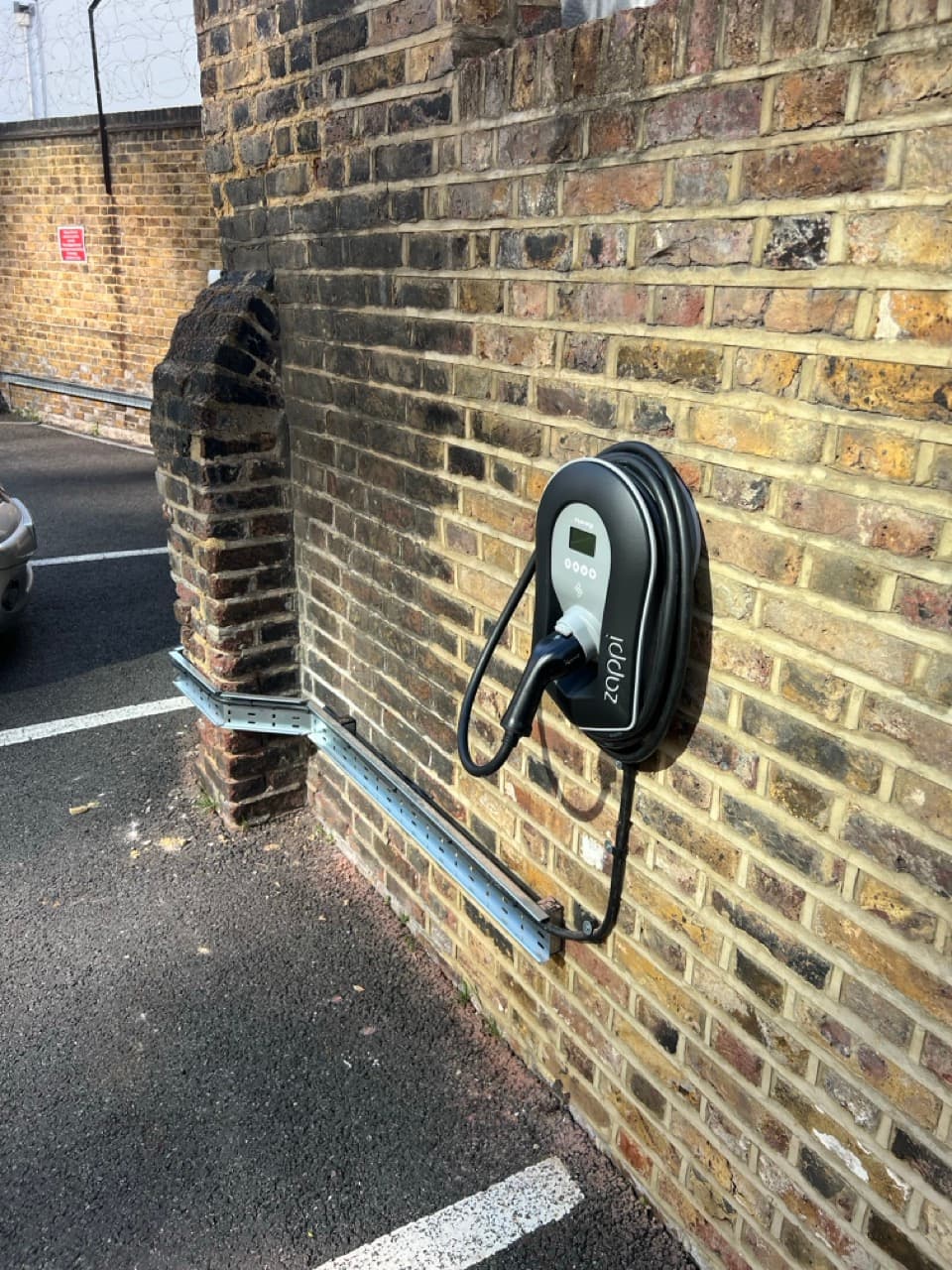
Also mention any external lighting, pond pumps, electric gates or EV chargers. The electrician can then allow enough time and test equipment for everything that needs checking.
5. Note any known electrical issues
Ask your tenants whether they are experiencing any electrical problems. Useful information includes circuits that trip occasionally, sockets or switches that feel warm, buzzing noises, or light fittings that flicker for no obvious reason.
Writing these down and sharing them ahead of the visit helps the electrician investigate specific faults more efficiently during the EICR.
6. Declare recent DIY or contractor work
Any recent electrical work, even minor DIY, should be mentioned. This includes added sockets, outside lights, swapped light fittings, kitchen or bathroom refits, and new electric heaters or showers.
Provide any certificates or invoices from contractors if you have them. If DIY work has been done, it is especially helpful for the electrician to know so those areas can be checked carefully.
What your EICR will and will not cover
An EICR looks at the fixed electrical installation in your property. This includes consumer units, wiring, accessory fronts such as sockets and switches, fixed light fittings, and permanently connected equipment such as hard-wired cookers or showers.
Portable appliances, such as kettles, toasters, TVs and plug-in lamps, are not covered by an EICR. If you supply appliances, you may wish to arrange separate portable appliance testing (PAT), particularly in HMOs and fully furnished lets.
Understanding EICR codes and what happens next
If the electrician finds issues, they will code them in the report. Codes help you understand which problems require action and how urgent they are.
C1 indicates a danger that is present and requires immediate action. C2 points to a potentially dangerous situation that needs remedial work. FI means further investigation is required before the installation can be judged safe.
Where C1, C2 or FI items are recorded, you are expected to arrange remedial work or investigation within a reasonable time. Once completed, keep all certificates and reports together with your EICR so you can share evidence with tenants and, if requested, local authorities or agents.
Mini FAQ for landlords preparing an EICR
Can my tenant refuse access?
Tenants have a right to quiet enjoyment of their home, but they are also expected to allow reasonable access for safety checks and inspections. The best approach is clear communication and plenty of notice.
Explain the purpose of the EICR, how long it is likely to take, and how it protects them as well as you. Written notice and follow-up reminders often avoid issues.
Do I need the power turned off for the whole visit?
Some circuits will need to be isolated to carry out safe testing, but this is usually done in stages. In many cases, not all power is off at once.
Let tenants know that there may be short periods without power to certain areas. If someone works from home, suggest they plan around the appointment or have a backup arrangement.
Will the electrician move furniture or belongings?
Electricians generally expect reasonable access to sockets, switches and the consumer unit. They may move small items if needed, but large furniture and heavy appliances are usually the landlord or tenant’s responsibility.
Ask tenants to clear access to the consumer unit, meters, obvious socket runs and main light fittings in key rooms. This keeps the visit efficient and reduces the risk of damage to belongings.
Next steps: book your EICR and stay compliant
Preparing properly for an EICR helps you meet your five-year inspection duty, reduces disruption for tenants and gives your electrician the best chance of completing everything in one visit. Keeping reports and certificates organised also makes future renewals much simpler.
If you are ready to arrange an inspection, you can book an EICR with DC ELECTRIX LTD. Visit our EICR certificate service page to learn more, or get in touch via our contact page or by calling 07415049613 to discuss your property.