EV Charger Survey Checklist: What Installers Need to Check
Knowing what your electrician will assess can help you prepare your home and avoid delays when approval is needed for your new chargepoint.
By DC Electrix Ltd
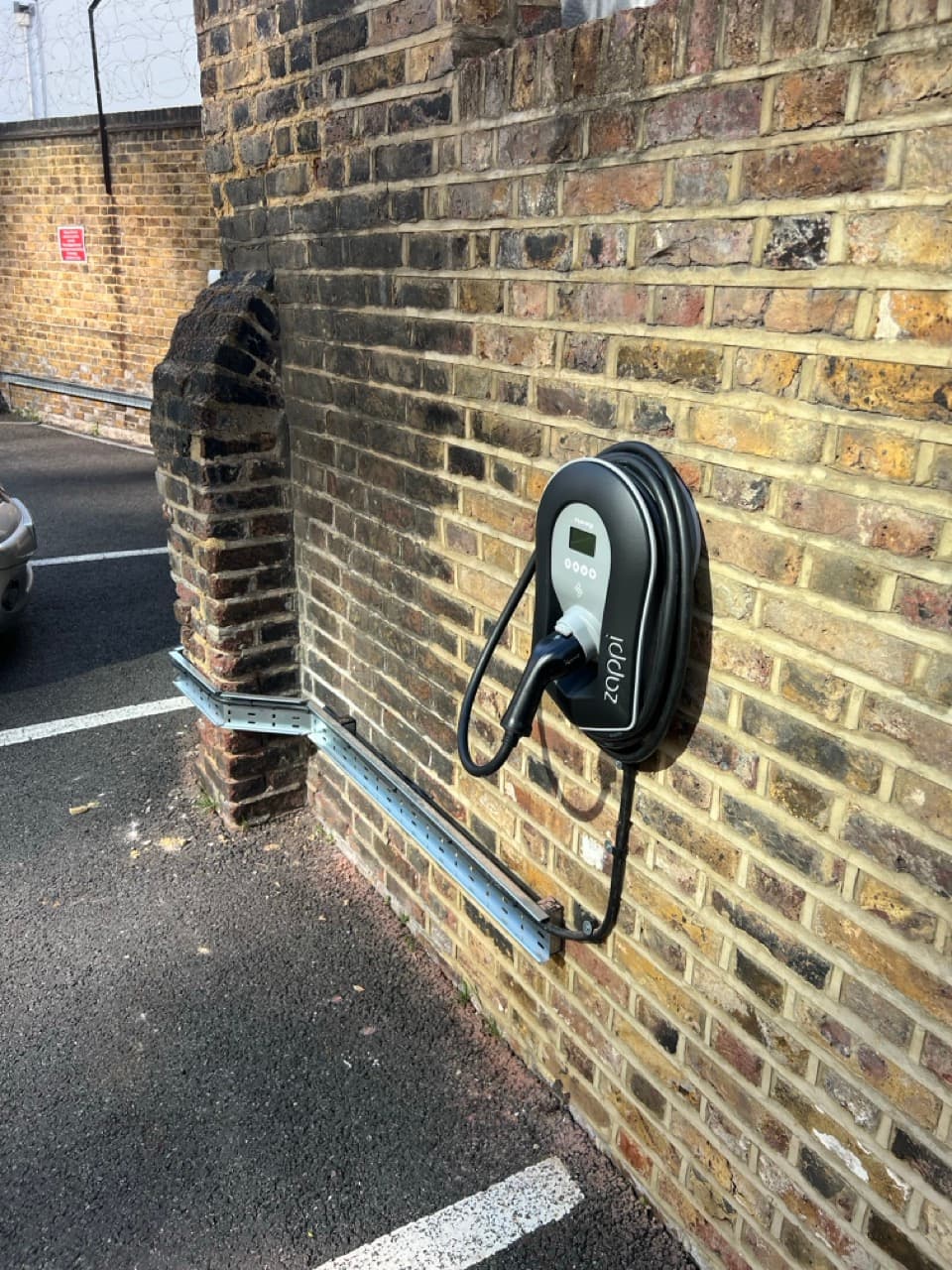
Choosing an electric vehicle is an exciting step, but your home needs to be assessed before a chargepoint can be installed safely. An EV charger survey checklist helps you understand what the electrician will inspect, what information they may need and whether any remedial work must be completed first.
What your electrician will assess
The survey starts with your existing electrical installation. The electrician will usually inspect the incoming supply, consumer unit, earthing arrangement and the proposed route from the electrical equipment to the chargepoint. They will also consider how the charger will be used, including whether smart charging or load management is suitable for your property.
These checks are not simply paperwork. They help confirm that the installation can operate safely, comply with current requirements and work reliably alongside appliances such as electric showers, heat pumps or immersion heaters.
The capacity of the supply and rating of the main fuse
Available space and protective devices in the consumer unit
Earthing and bonding arrangements
The proposed cable route, entry point and chargepoint position
Wi-Fi, smart charging and load management requirements
Supply capacity and the main fuse
Your electrician will check the type and rating of the incoming supply, including the main fuse where it is accessible. They need to establish whether the property has enough available capacity for the charger without creating an unsafe demand on the installation.
A chargepoint does not always operate at its maximum output continuously, and load management can help balance charging with the rest of your household demand. The installer will explain whether this technology is appropriate and whether any information is needed from your electricity network operator.
Consumer unit and protective devices
The consumer unit must have suitable protection for the chargepoint circuit. The electrician will look for available space, assess the existing protective devices and check whether the arrangement is compatible with the proposed installation.
Older consumer units may not provide the protection or capacity needed for a modern EV charger. In some homes, a consumer unit replacement or other remedial work will be needed before installation can proceed. You can find more information about this through our consumer unit replacement service.
Earthing, cable routes and drilling
Earthing is a key part of the EV charger survey. The electrician will assess whether the earthing arrangement is suitable and whether additional measures are required to protect people and the installation if a fault occurs.
They will also plan how the cable can travel from the consumer unit to the chargepoint. This may involve checking walls, floors, loft spaces, external surfaces and the location of services before any drilling takes place. The finished route should be safe, secure and as neat as reasonably possible.
Tell the installer about anything that could affect access, such as solid walls, recent extensions, underground drainage, unusual construction or areas where drilling is not permitted. If the cable needs to cross a shared area, permission may also be required.
Choosing the chargepoint location
For a front drive installation, the survey will consider the distance from the consumer unit, the position of the vehicle and how the cable will be protected from damage. The charger should be convenient to use without creating a trip hazard or obstructing neighbours, pedestrians or access routes.
A garage can provide a sheltered location, but the electrician may need to check the wall construction, internal cable route and vehicle parking position. If the garage is detached, the route between buildings may require additional planning and approval.
Smart features and load management
If you want smart charging, the installer will check whether the proposed location has a reliable Wi-Fi signal or another suitable communications connection. Poor connectivity can affect app controls, scheduled charging and software updates, so mention any known signal problems during the survey.
Load management may be considered where several high-demand appliances operate at the same time. It can adjust charging activity to help prevent the property from exceeding its available electrical capacity, subject to the equipment and installation design being suitable.
Flats, leaseholds and shared properties
Homeowners in flats or leasehold properties may need approval before an EV charger can be installed. This could involve the freeholder, managing agent, residents’ management company, landlord or electricity network operator, depending on the building and the proposed cable route.
Ask what permissions are required before booking work, particularly if the charger will be fixed to communal walls, use a shared parking bay or require cables to pass through shared spaces. The survey can identify technical requirements, but it does not replace consent from the relevant property owner or management body.
How to get ready for your survey
A little preparation can make the appointment more productive. Clear access to the meter cupboard and consumer unit, and make sure the electrician can inspect the intended chargepoint location and cable route.
Keep the meter cupboard, consumer unit and proposed parking area accessible.
Send clear photos of the consumer unit, meter, driveway, garage and possible cable routes.
Have details of any leasehold, parking or freeholder restrictions available.
Park where the vehicle would normally sit so the cable length and charger position can be considered.
It is also useful to mention planned electrical work, solar panels, battery storage or appliances that may be installed later. This gives the electrician a better understanding of your future needs rather than assessing the charger in isolation.
Safety checks before installation
An electrician may recommend remedial work if the existing installation does not meet the required safety standard. This could include replacing an unsuitable consumer unit, improving earthing or resolving issues identified during an Electrical Installation Condition Report, commonly called an EICR.
These recommendations are made to protect your home and household, not to create unnecessary work. Installing a high-demand electrical appliance onto an unsafe or defective installation could increase the risk of electric shock, overheating or fire. If you have a recent report, share it with the installer or arrange an EICR before the survey.
Book your EV charger survey
A thorough survey gives you a clear installation plan and helps identify approval or safety requirements early. When you are ready to discuss your property, contact DC Electrix Ltd on 07415049613 to book a survey.
You can also learn more about our EV charger installation service and consumer unit replacement before your appointment.


