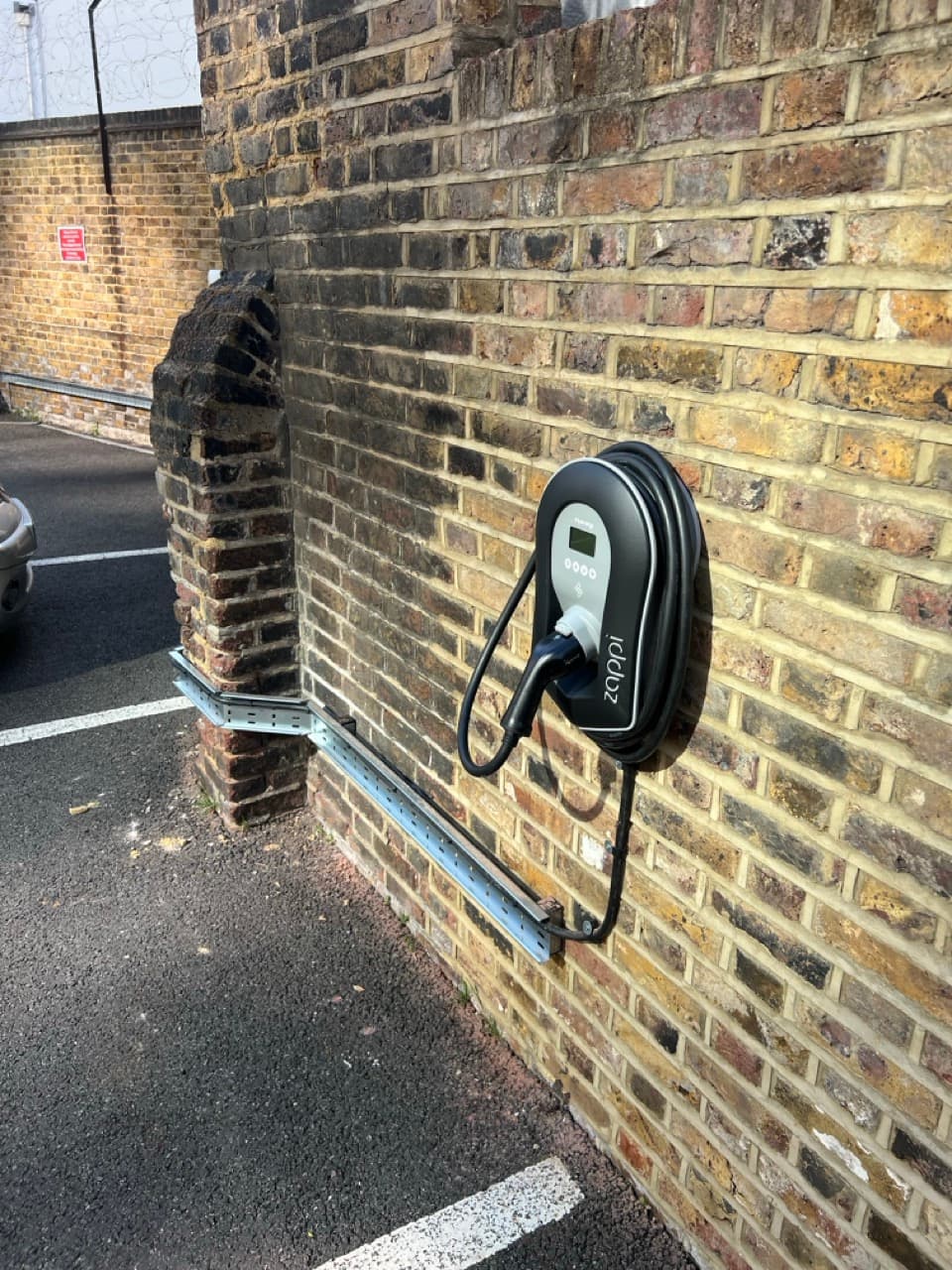
Tell us where you would like a light, by the door, over the drive or down the garden, and we will come and take a look. You will get clear advice on the right fittings and a written quote before any work starts.
Blog
Do I need an electrician to fit outdoor lights?
How to light your door, drive and garden safely this winter, and which jobs need an electrician.
28 October 2026
By DC Electrix Ltd
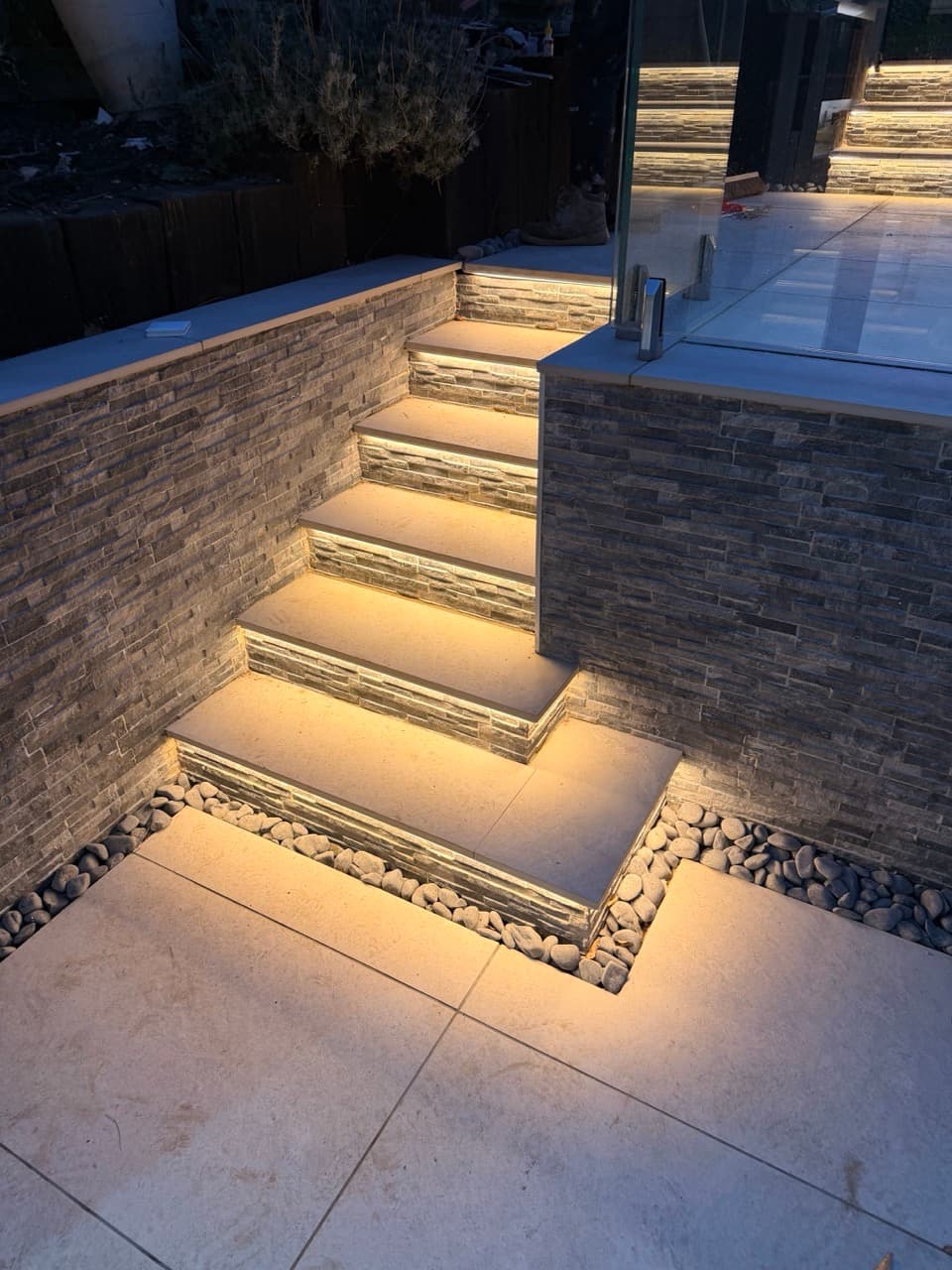
Now the clocks have gone back and it is dark by teatime, a lot of people want a light by the front door, over the drive or along the garden path. Fitting outdoor lights is usually a job for an electrician. Swapping an existing outside light for a similar one isn't something you have to report to anyone, but it still means working on fixed wiring outdoors, and anything that needs new wiring, a new circuit or a cable run down the garden needs to be designed, tested and certified properly.
This post explains what the rules say, why outdoor lighting needs more care than a light in your hallway, how to choose fittings that cope with British weather and what you can safely check yourself. The short version on safety: you can look, but never open a fitting or touch outdoor cables unless the power is off and you know the circuit is dead.
What the rules say about outdoor lights
In England, electrical work in homes and gardens comes under Part P of the Building Regulations. Some jobs are "notifiable", which means Building Control must be told about them. For outdoor lighting, the ones that matter are:
a brand new circuit from your consumer unit (the fuse box), for example a dedicated circuit for garden lighting
a new or replacement consumer unit, if yours has to be upgraded to take the work
Adding a light to an existing circuit outside isn't notifiable in England, but it still has to meet the wiring regulations, BS 7671, and be tested. The rules are different in Wales, where outdoor work counts as a special location. Our guide to Part P notification explains how this works and the certificates you should get.
Why outdoor lighting needs more care
Outside, electricity is up against rain, frost, damp soil, garden tools and the odd football. A fitting that would last for years indoors can let in water within a winter if it isn't made for the job.
Outdoor circuits also need extra protection. The regulations expect lighting circuits in homes to be protected by an RCD, a residual current device, which cuts the power in a fraction of a second if current leaks to earth, for example through water or a person. Many older fuse boxes don't have one, so an electrician checks this before adding anything outside.
Choosing fittings that cope with the weather
Every outdoor light should carry an IP rating, which stands for "ingress protection". It is two numbers. The first says how well the fitting keeps out dust and solid objects, and the second how well it keeps out water. The higher the number, the better the protection.
As a rough guide:
IP44 suits a wall light under a porch or a deep overhang, out of direct rain
IP65 suits exposed walls and driveways, where rain hits it from any angle
IP67 or IP68 suits lights set into the ground, where they can sit in puddles
Check the rating on the box before you buy. If a fitting doesn't state one, it isn't made for outdoors. Lights with a PIR sensor (a motion sensor that switches the light on when someone walks past) are popular for drives and side paths, and the same rating rules apply.
Running power down the garden
Lights on the house wall can often be fed from an existing circuit through the wall. Lights further out, such as along a path or at the end of the garden, need cable that can survive outdoors.
That usually means armoured cable, which has a layer of steel wires around it to protect it from spades and forks, buried at a safe depth with warning tape above it, or fixed securely along a wall or fence. Ordinary indoor cable, or an extension lead left out on the lawn, is never safe outdoors.
There are two other options worth knowing about. Low voltage garden lighting runs from a transformer, which steps the power down to a much safer level, and solar lights need no wiring at all. Neither gives as much light as a mains fitting, but both suit borders and paths.
Safe checks you can make yourself
You can spot most outdoor lighting problems without touching any wiring:
Look at each fitting from outside. Cracked glass, a missing seal or water droplets inside the cover mean it needs attention.
Notice whether your electrics trip after heavy rain. If the RCD trips when it is wet, water is likely getting into an outdoor fitting or cable. Our post on why your RCD keeps tripping explains how to narrow it down safely.
Check for damaged cable where you mow, strim or dig, and keep clear of it if you find any.
If a PIR light comes on at the wrong times, wipe the sensor lens and check nothing like a branch is moving in front of it.
If a fitting is scorched, buzzing or smells of burning, switch it off at the consumer unit and leave it alone.
When to call an electrician
Call an electrician for:
any new outdoor light that needs new wiring, rather than replacing one already there
lights or sockets in the garden, at a shed or in a garden room
a fitting that keeps filling with water or tripping your electrics
damaged or exposed outdoor cable
an older fuse box with no RCD protection
What we do when we fit outdoor lights
DC Electrix Ltd is NAPIT registered, so we can certify our own work and handle any Part P notification for you. On a visit we check your existing wiring and consumer unit, agree where each light goes and how the cable will get there, and recommend fittings with the right IP rating for each spot. Every job is tested at the end, and you get the right certificate for the work.
Recent outdoor jobs have included a floodlight over a rear garden, downlights on gates and a garage, and lighting across four zones of a garden alongside the electrics for a new garden room.
If you would like a light by the door, over the drive or down the garden this winter, DC Electrix Ltd can take a look and plan it properly. Find out more about our lighting installation service and get in touch to arrange a visit.
Planning outdoor lights this winter?
Other Articles