
Do you need an electrician for Part P notification?
Understand Part P rules, notifiable electrical work and the certificates you should receive when hiring an electrician in England and Wales.
By DC Electrix Ltd
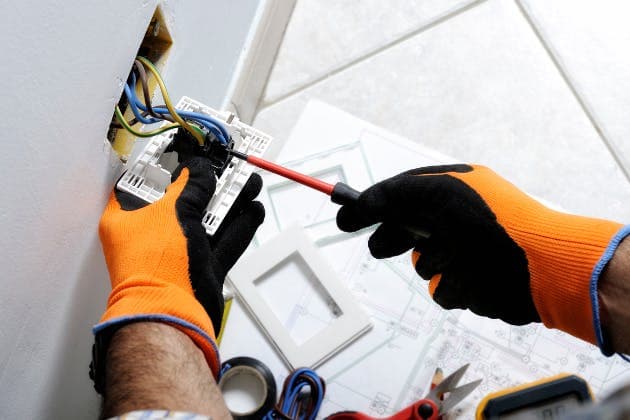
If you are planning electrical work at home, you may have heard the term “Part P” and wondered if you need an electrician to deal with notification. Getting this right matters for safety, insurance and when you come to sell or let your property.
What Part P actually covers
Part P is the section of the Building Regulations that deals with electrical safety in dwellings in England and Wales. It applies to houses, flats and many domestic outbuildings, whether you own, rent or let them out.
The core idea is simple: any electrical installation work must be designed and carried out so that it is safe to use. Some types of work are classed as “notifiable”, which means Building Control must be informed and satisfied it complies with the regulations.
You do not personally have to know every technical rule, but you are responsible for making sure any work on your property complies, either through Building Control or by using a suitably registered electrician.
Notifiable vs non-notifiable electrical work
Not all electrical jobs trigger Part P notification. The rules focus on work that carries a higher risk, either because of its size or where it is located. Getting the category right helps you avoid problems later.
In broad terms, notifiable work includes:
New consumer unit (fuse board) installations or replacements
New circuits added to your installation
Full or partial rewires of a property
Work in special locations, such as bathrooms and certain outdoor areas
Many smaller jobs are usually non-notifiable, such as replacing like-for-like accessories (for example swapping a socket front), or minor alterations that are not in bathrooms and do not involve new circuits. These should still be tested and documented, but do not normally require notification to Building Control.
If you are unsure which category your planned work falls into, ask your electrician to explain clearly before anything starts.
Examples linked to common home projects
Consumer unit replacement
Changing an old fuse box to a modern consumer unit with RCD and AFDD protection is classed as notifiable work. It affects the heart of your electrical installation and will always need proper testing and certification.
A registered electrician can self-certify this type of job and arrange the Building Regulations Compliance Certificate for you, so you do not have to contact the council directly.
Full or partial house rewires
A full rewire, or a significant partial rewire, is almost always notifiable. It involves replacing large sections of cabling, accessories and protective devices, which has a major impact on the safety of your home.
For homeowners in older properties or those planning major renovations, making sure your rewire is carried out by a competent, registered electrician is especially important, as the paperwork may be requested by surveyors and solicitors in future.
Work in bathrooms and other special locations
Bathrooms are treated as higher risk because of the presence of water. Certain types of work in these areas will be notifiable, for example installing a new circuit to feed an electric shower, or work within specific zones around baths and showers.
Other locations, such as some outdoor installations, also have additional rules. Your electrician should explain how these apply in your case and what needs to be notified.
New circuits and extensions
Any brand new circuit from your consumer unit is normally notifiable, whether it is for an electric vehicle charger, an outside socket, or a new kitchen ring main. Extending an existing circuit may or may not be notifiable depending on where the work is and its extent.
This is why a proper design and testing process is essential, rather than simply “adding a few wires” to what you already have.
How Part P notification works with a registered electrician
If you use an electrician registered with a government-approved scheme, they can usually self-certify their own work for Part P. In practice, this means they notify their scheme provider, who then informs the local Building Control on their behalf.
You should not have to deal with the council yourself for notifiable work in this case. Instead, you will receive documentation confirming that the work complies with the Building Regulations.
If you use someone who is not registered, you will normally need to apply to Building Control in advance, pay their fee, and arrange inspections. This often works out more costly and time consuming than using a registered contractor.
Paperwork you should receive after the job
For properly carried out electrical work, you should receive clear, written certification. This is not just a formality; it provides evidence that your installation has been tested and meets current standards.
For most jobs, expect:
Electrical Installation Certificate (EIC) for new installations, consumer units and larger works
Minor Electrical Installation Works Certificate (MWC) for small additions or alterations to existing circuits
Building Regulations Compliance Certificate for notifiable work, usually issued via the electrician’s registration scheme
The EIC or MWC is typically provided directly by your electrician at or shortly after completion, once all testing is done. The Building Regulations Compliance Certificate is usually posted or emailed separately by the scheme provider.
Timeframes can vary, but many customers receive the compliance certificate within a couple of weeks, sometimes a little longer during busy periods or if postal delays occur. If you have not received it after a reasonable period, your electrician should be able to follow this up and confirm the status.
Questions to ask your electrician before work starts
Taking a few minutes to ask the right questions can give you confidence that your project will be carried out safely and correctly.
Before agreeing to the work, ask:
Are you registered with a government-approved Part P scheme, and which one?
Will this job be notifiable, and who will handle the Building Control notification?
What testing will you carry out, and which certificate will I receive at the end?
Roughly how long do you expect the paperwork to take to arrive?
Will you provide written confirmation of the work specification and any limitations?
A professional electrician should be happy to answer these clearly and in writing if needed. If you receive vague responses or are told that certificates are “not necessary”, this is a warning sign.
Need Part P compliant electrical work in Hertfordshire?
If you are in Hertfordshire and planning a consumer unit upgrade, a house rewire or other electrical improvements, using a registered electrician will help ensure your project is safe and fully documented.
DC Electrix Ltd can carry out Part P compliant work, handle notification on your behalf and provide the appropriate certificates for your records and future property transactions. To learn more about upgrading your fuse board, visit our consumer unit replacement page, or see our house rewire services for larger projects.
For advice tailored to your home and to arrange a quotation, contact DC Electrix Ltd on 07415049613.


